Platform Mechanics Governing Bonus Unlocks in Peak-Hour Live Digital Bingo Sessions
Written by Casey Peters · Nov 17, 2026
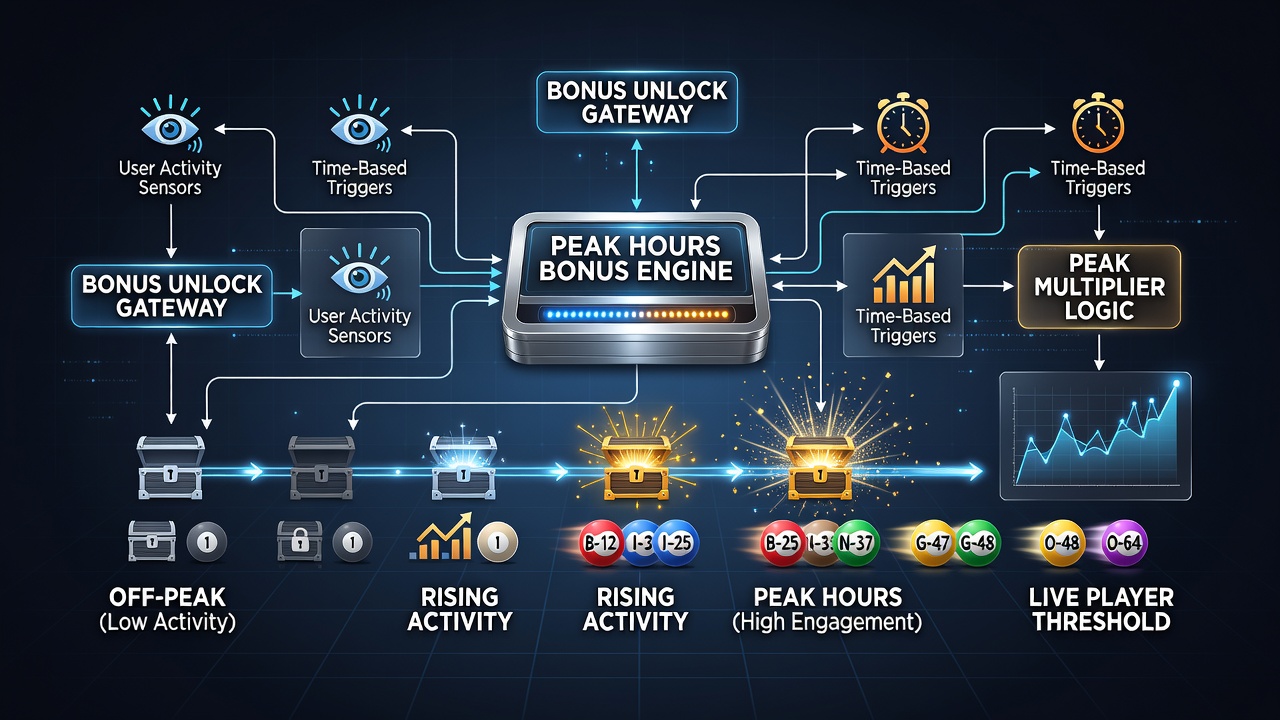
Platform Mechanics Governing Bonus Unlocks in Peak-Hour Live Digital Bingo Sessions
Platform algorithms in live digital bingo environments trigger bonus unlocks through a combination of player density metrics, time-window thresholds, and session activity logs that activate automatically once certain concurrency levels are reached. These systems monitor real-time server loads during defined peak periods such as weekday evenings between 6 pm and 10 pm or weekend afternoon blocks, where participation often exceeds baseline figures by 40 percent or more according to aggregated industry telemetry.
Core Algorithm Triggers and Load Balancing
Engineers design the core logic around rolling averages of concurrent users, so that bonus eligibility opens only after a platform records sustained traffic above a calibrated threshold for a minimum duration, typically five to eight minutes. Developers integrate these checks with pattern-completion rates across active rooms, meaning players who finish lines or full cards during those windows receive automatic credit once the system verifies the collective activity spike. Data centers route requests through load balancers that prioritize low-latency connections, which in turn influences how quickly bonus flags propagate to individual accounts.
Observers note that many operators segment peak-hour rules into tiered categories, with higher-value bonuses reserved for intervals showing the steepest participation curves. November 2026 schedules already list extended evening windows around holiday periods because historical logs indicate player numbers climb an additional 25 percent compared with standard autumn months. The same logs feed into predictive models that pre-allocate bonus pools before the rush begins, reducing the chance of server-side delays in reward distribution.
Time-Sensitive Parameters and Verification Layers
Each live gathering runs a synchronized clock that cross-references local device time with the central server timestamp, ensuring bonus unlocks align with the operator’s published peak schedule rather than individual time zones. Verification layers scan chat logs, ticket purchases, and number-call sequences to confirm genuine participation, filtering out automated scripts that might attempt to exploit the mechanics. When these checks pass, the platform appends the bonus to the player’s balance within seconds of the qualifying action, though larger rewards undergo an extra audit step that can extend processing to under two minutes.
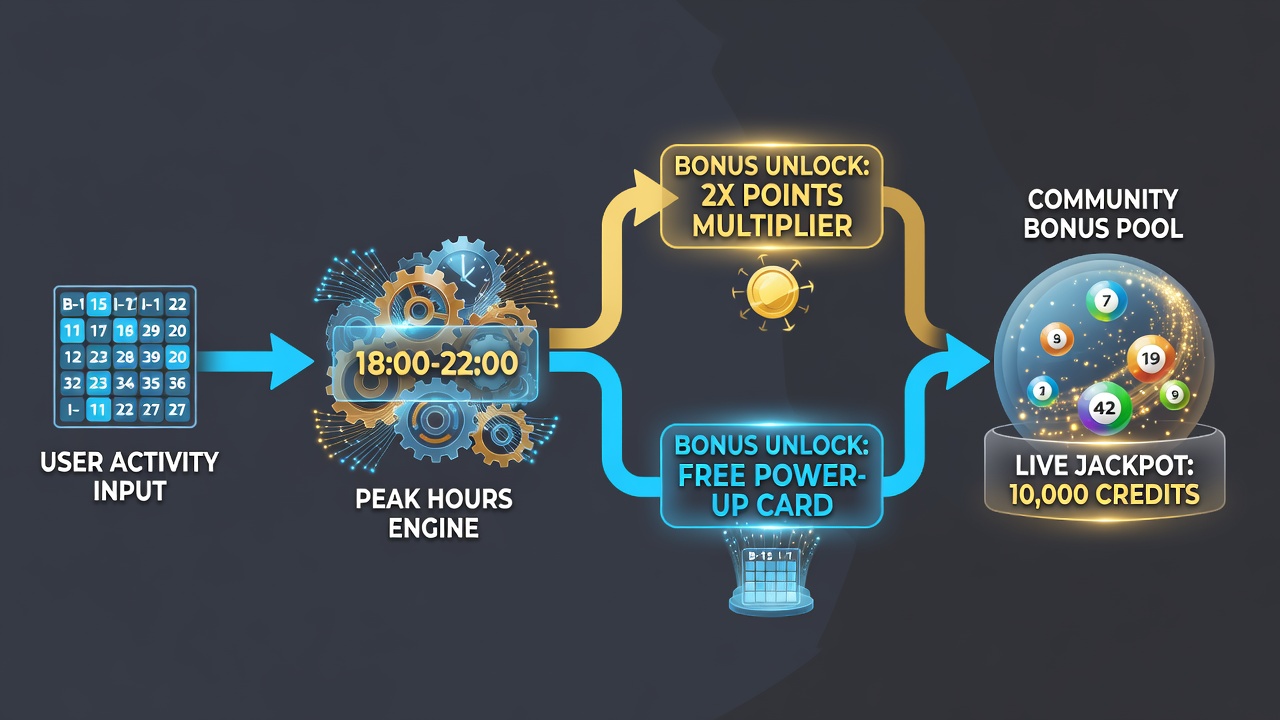
Research from the University of Nevada’s gaming analytics group shows that platforms using adaptive difficulty scaling during peaks maintain higher completion rates for bonus patterns because the system temporarily widens the range of winning combinations once concurrency hits preset marks. This scaling occurs silently in the background, adjusting only the internal probability tables without altering the visible number sequence for participants.
Regional Regulatory Influences on Peak Mechanics
Regulators in different jurisdictions require operators to publish the precise formulas governing peak-hour bonuses, and the New Jersey Division of Gaming Enforcement maintains public summaries of approved algorithms for licensed platforms operating in that state. Australian state gaming authorities similarly request quarterly reports detailing how traffic thresholds correlate with reward issuance, creating a cross-border dataset that developers consult when refining their own systems. These disclosures help ensure transparency while still allowing platforms to protect proprietary weighting values that determine exact bonus amounts.
One documented case involved a multi-room operator that adjusted its peak definition from a flat 500-user minimum to a dynamic percentage of total registered accounts, resulting in more consistent unlock events across varying monthly traffic patterns. Industry reports compiled by the World Lottery Association indicate that similar recalibrations have become common as live digital bingo gatherings expand into new markets with different daily rhythms.
Integration with Live Session Features
Live digital bingo gatherings combine video streams of number calls with overlaid chat and ticket interfaces, so bonus mechanics must account for simultaneous data streams without introducing lag. When peak thresholds activate, the platform often surfaces visual indicators in the interface, such as highlighted pattern cards or countdown timers, that guide players toward the qualifying actions. These indicators draw from the same backend counters used to calculate eligibility, creating a closed loop where user behavior directly influences the next cycle of unlocks.
Session logs further reveal that players who remain connected through multiple consecutive peak intervals accumulate incremental multipliers on their bonuses, a feature implemented through persistent account flags that reset only after a defined cooldown period. The mechanics therefore reward sustained engagement rather than isolated visits, aligning platform goals with steady server utilization.
Conclusion
Platform mechanics that dictate bonus unlocks during peak hours rely on layered monitoring of concurrency, time alignment, and verified activity, all calibrated to regional requirements and historical traffic data. As live digital bingo gatherings continue to scale, the same systems adapt through periodic recalibration of thresholds and verification rules, maintaining operational stability while delivering rewards according to published parameters.