Analyzing How Time Zone Synchronization Impacts Global Participation in Online Number Draw Events
Written by Yves Walter · Sep 8, 2026
Analyzing How Time Zone Synchronization Impacts Global Participation in Online Number Draw Events
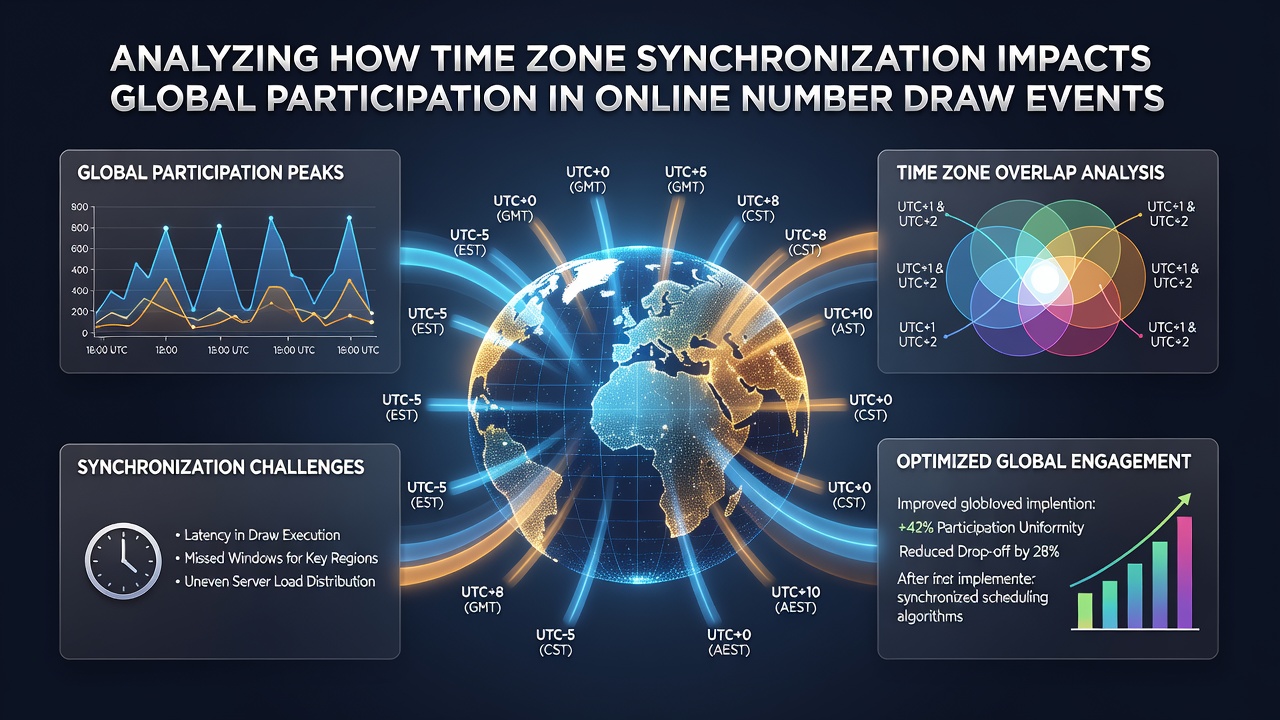
Online number draw events operate across continents yet rely on fixed draw moments that align with specific clock times, and this creates uneven access patterns for participants scattered through differing time zones. Platforms schedule draws at coordinated universal time points while displaying converted local times, yet the conversion process does not always match user expectations or daily routines in distant regions. Observers note that engagement levels shift noticeably when draw times fall during work hours or late night periods in particular geographic areas, and data collected from multiple operators shows measurable drops in ticket purchases from those zones.
Core Mechanics of Time Zone Coordination
Number draw systems record every entry against a central server clock set to UTC, then convert that timestamp for display in each user's interface according to the device's detected location or selected preference. This approach ensures all entries receive the same eligibility status regardless of where the participant logs in, while the conversion step relies on accurate geolocation databases that sometimes lag behind political changes in daylight saving rules. Researchers tracking participation across platforms have documented that users in regions with frequent time adjustments experience higher rates of missed notifications, because automated alerts arrive based on outdated offset calculations. Those who've studied server logs report that synchronization gaps widen during transition weeks when certain countries shift their clocks, and the result appears in reduced entry volumes from affected territories until the databases update.
Regional Participation Patterns
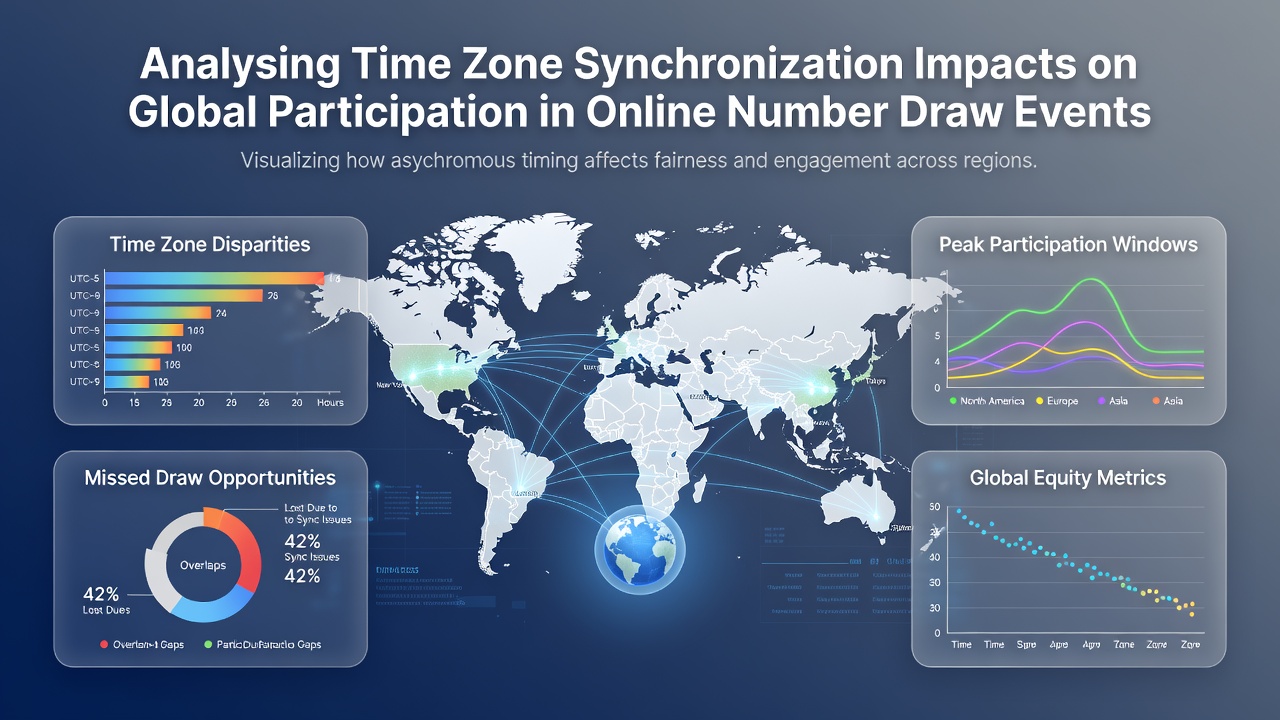
Data compiled from international operators indicates stronger engagement from users whose local evening overlaps with the draw window, whereas participants in time zones twelve or more hours offset often see draws occur during early morning or midday. One analysis of entry timestamps from 2025 revealed that Asia-Pacific regions contributed fewer tickets when draws were fixed at 20:00 UTC, since that moment lands between 4:00 and 8:00 local time depending on the country. In contrast, European and African participants showed steadier volumes during the same windows, because the timing aligned more closely with evening leisure periods. Platform operators respond by offering secondary draws at additional UTC slots, yet adoption rates vary and some users still default to the original schedule that carries larger prize pools.
Technological Adjustments and Their Reach
Developers integrate dynamic time zone modules that detect device settings and push reminders calibrated to each user's actual clock, and these systems reduce the frequency of missed draws according to internal metrics shared by several major providers. Yet accuracy depends on correct device configuration, and travelers crossing zones sometimes receive notifications based on their previous location until the app refreshes. Studies conducted by academic teams in Australia have examined how notification timing influences repeat participation, and the findings show that users receiving correctly timed alerts maintain higher activity levels over multi-month periods. Meanwhile, operators in Canada have tested staggered draw announcements that release results in sequence across major regions rather than simultaneously, and early figures suggest this method lifts engagement from previously underrepresented zones without altering the underlying random selection process.
September 2026 Developments
September 2026 marks the scheduled launch of an expanded multi-continent number draw network that incorporates real-time offset calculations from a distributed server network, and preliminary technical documentation outlines automatic adjustment for all participating jurisdictions. Industry reports indicate the network will include draw times spaced four hours apart to cover peak leisure windows in the Americas, Europe, Africa, and Asia-Pacific clusters. Observers tracking pre-launch testing note that beta users in New Zealand adn South Africa reported improved convenience when local equivalents appeared alongside the primary UTC listing. Regulatory filings from Canadian and Australian authorities describe requirements for transparent offset disclosure in all marketing materials, and these rules aim to prevent confusion during the initial rollout phase. Participation forecasts released ahead of the launch project measurable increases from regions that previously showed lower volumes, although actual results will depend on marketing reach and device compatibility across markets.
Conclusion
Time zone synchronization continues to shape how widely online number draw events reach participants in different parts of the world, with current systems relying on UTC anchors and localized conversions that succeed unevenly. Adjustments through staggered schedules, improved notification logic, and region-specific draw windows demonstrate measurable effects on entry patterns according to available platform data. As new networks prepare for September 2026, the emphasis on accurate offset handling and multiple timing options reflects ongoing efforts to balance fairness with broader accessibility across global audiences.